 Japan eSIM | DJB
 South Korea eSIM | DJB
 Thailand eSIM | DJB
 Americas eSIM | DJB
 Americas eSIM | DJB
 Philippines eSIM | DJB


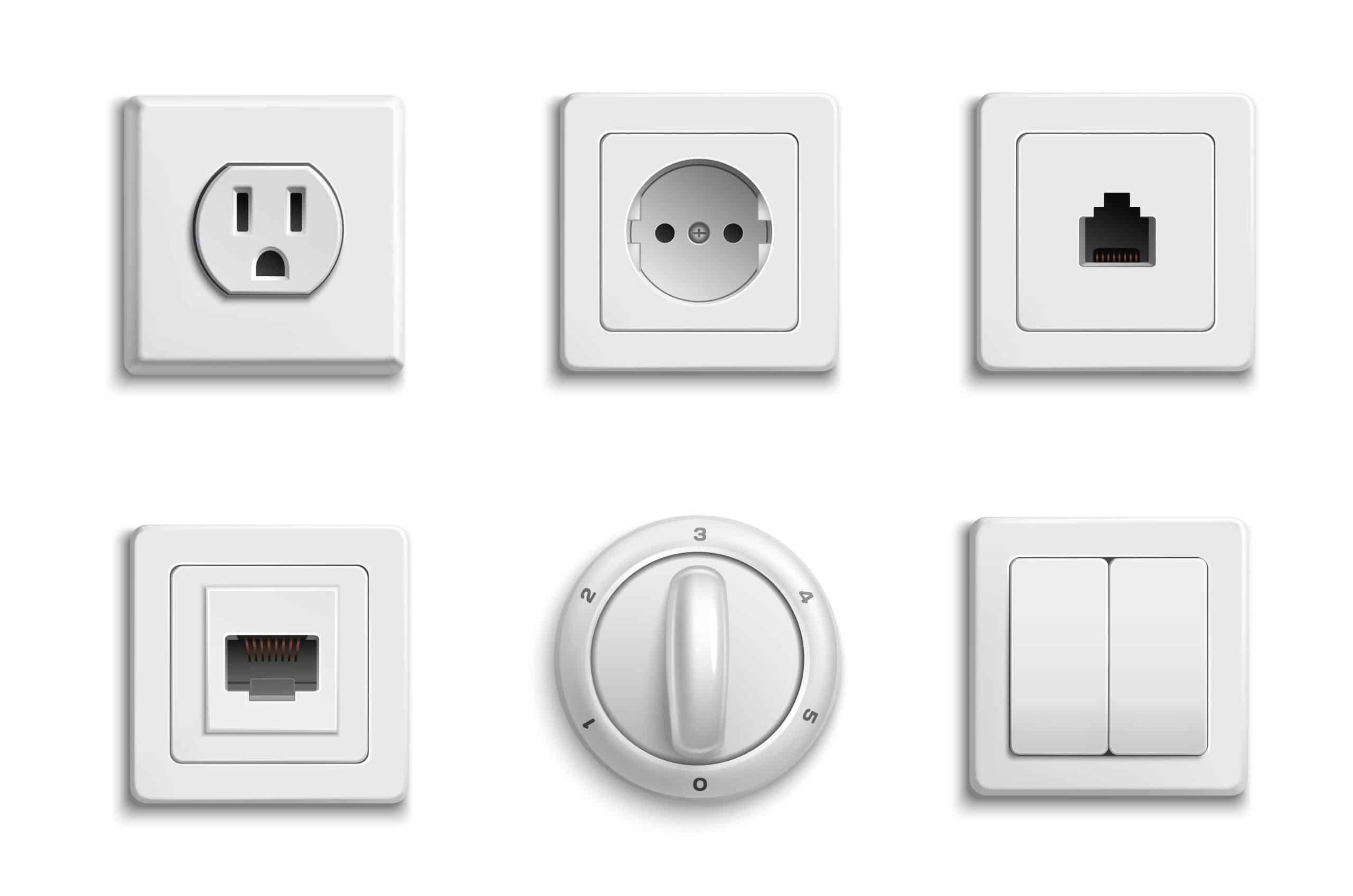
Not sure whether your Taiwanese hair dryer will work on Japanese voltage? Are Japan's plugs the same as Taiwan's? Understanding local voltage and plug types is one of the most important things to check before any trip abroad. Japan's voltage is actually a bit different from Taiwan's, but do not worry — today DJB has put together a guide to Japan's voltage and plug types, so you can travel worry-free.
Image source: Freepik
Japan's voltage and frequency ⚡
Voltage: 100V (Taiwan runs on 110V, and most of Europe and the US on 220V)
Frequency: differs between eastern and western Japan
🔹 Eastern Japan (Tokyo, Sapporo, Sendai, etc.): 50Hz
🔹 Western Japan (Osaka, Kyoto, Fukuoka, etc.): 60Hz
Types of plugs used in Japan 🔌
Japan uses Type A plugs — two flat parallel pins. Some outlets have one slot slightly larger than the other, a design meant to improve safety.
Japanese plug specifications

How does Japan's voltage and plug type differ from Taiwan's? 🤔
Japan's voltage ⚡ vs. Taiwan's voltage ⚡
Taiwan's electrical appliances run on 110V, while Japan runs on 100V. Despite the 10V difference, Taiwanese appliances generally work fine in Japan (charging might just be a touch slower), especially since most phones, laptops and cameras today auto-adjust voltage and support a range of 100–240V.
That said, while 110V appliances from Taiwan can technically run on Japan's 100V supply, higher-powered devices like hair dryers or rice cookers may run less efficiently or more slowly, and over time this can shorten the appliance's lifespan. It is worth checking whether your device explicitly supports 100V, or using a voltage converter if not.
Japan's plugs 🔌 vs. Taiwan's plugs 🔌
Japan's plugs are essentially identical to Taiwan's, so you can generally use them directly (just keep the voltage difference in mind). The one difference is that Japan does not commonly use the three-pin outlets found in some parts of Taiwan, so if your device has a three-pin plug, remember to bring a two-pin adapter!
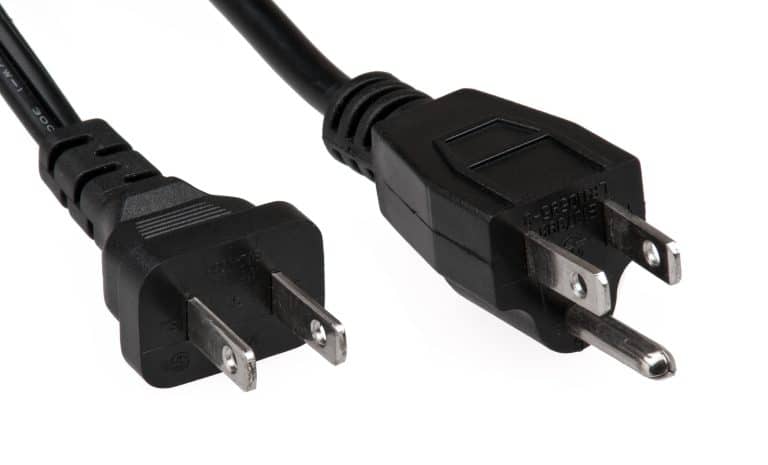
Image source: pixabay
Which devices can you use directly in Japan? 🤔
As mentioned, most commonly used devices today handle voltage conversion automatically, but plenty of appliances still need a closer look at their voltage rating. Here is a rundown of common devices and whether they play nicely with Japan's supply.
Devices that just work ✅
If a device supports a voltage range of 100V to 240V, there is nothing to worry about — it will work fine in Japan. For example:
🔹 Phones, laptops and camera chargers (most support 100V–240V)
🔹 Electric razors, some hair dryers (if they support worldwide voltage)
🔹 USB chargers, power banks
Devices that may cause trouble ⚠
If a device only supports 110V (Taiwan) or 220V (Europe/US), it may run slower or wear out faster over time. For example:
🔹 Hair dryers, rice cookers, space heaters
🔹 Electric kettles, irons
🔹 Vacuum cleaners, massagers
Issues that can crop up 💡
❌ Rice cookers and kettles heat more slowly (because 100V delivers less power)
❌ Fans or motor-driven appliances may run unevenly (due to the frequency difference)
So if you are moving to Japan long-term, it is worth simply buying the household appliances you need once you are there, or checking whether your Taiwanese appliances are rated to handle Japan's voltage.

Hopefully this article gives you a better grasp of Japan's voltage and plug types! Discovering a voltage or adapter problem only after you have landed abroad is genuinely stressful, and it can easily take the shine off a trip.
Lastly, we recommend DJB's three-port fast charger — compact, easy to pack, with a built-in retractable cable, and it comes with a free 3-in-1 universal adapter when you buy it, so this one charger can take you anywhere in the world! Simple to set up, so you can travel without a second thought. Grab this handy charging gadget today~
Comments are closed for this article.
Comments (0)