 Japan eSIM | DJB
 South Korea eSIM | DJB
 Thailand eSIM | DJB
 Americas eSIM | DJB
 Americas eSIM | DJB
 Philippines eSIM | DJB


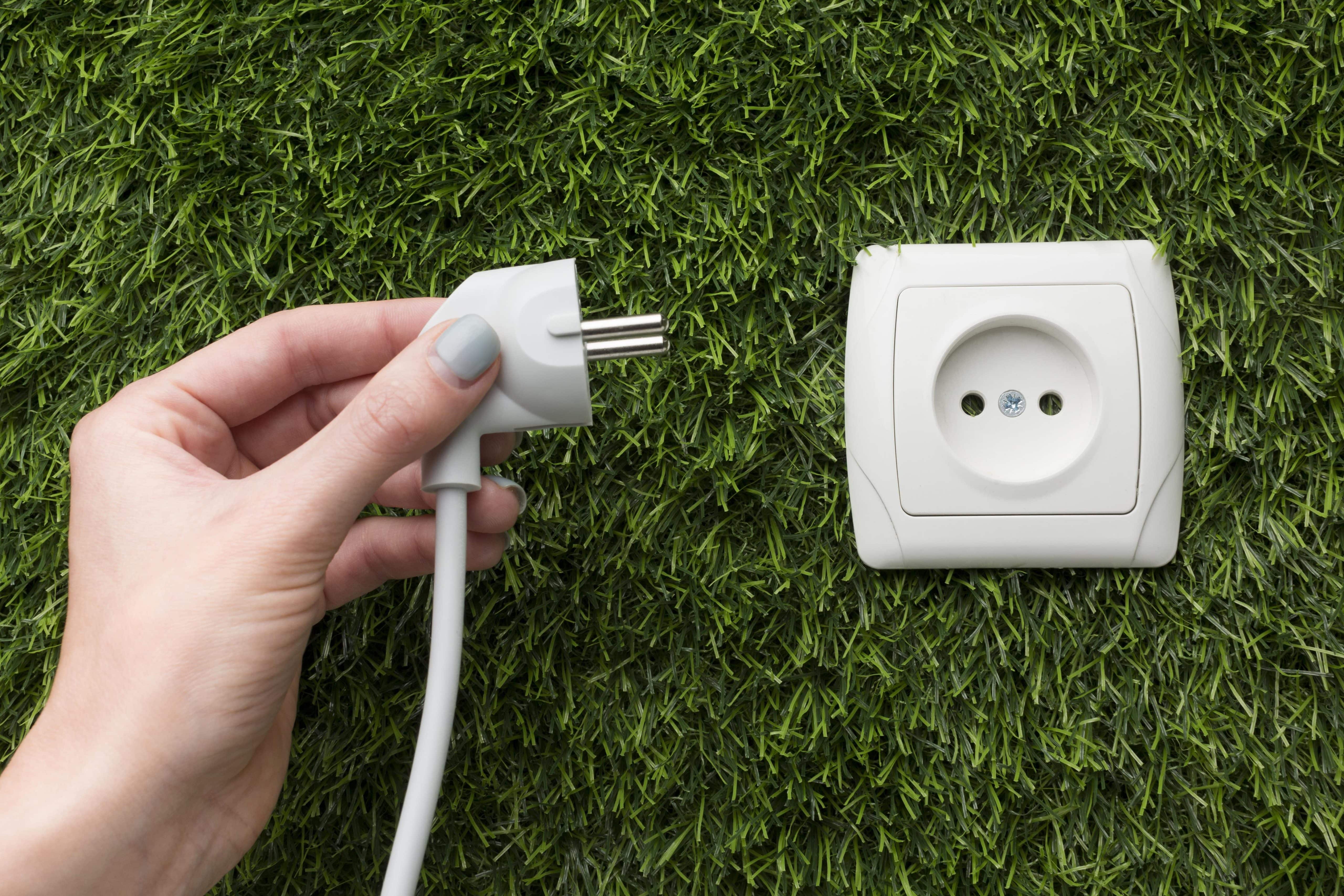
Before travelling to Korea, you should always grab a Korea plug adapter first. Beyond the outlet shape being different, Korea's voltage also differs from Taiwan's — and in an era where everything runs on electricity, not having the right adapter ready can be seriously inconvenient. Let DJB walk you through everything about Korean outlets in one article!
1. The difference between Korean and Taiwanese plugs
Visually, they're clearly different from Taiwan's — Korean outlets are round with two round holes, and plugs come in either Type C (round pins) or Type F (flat pins), both with pin diameters of 4.8mm! Pay close attention to the pin diameter when buying an adapter, since a slightly smaller or mismatched size can easily come loose during use.
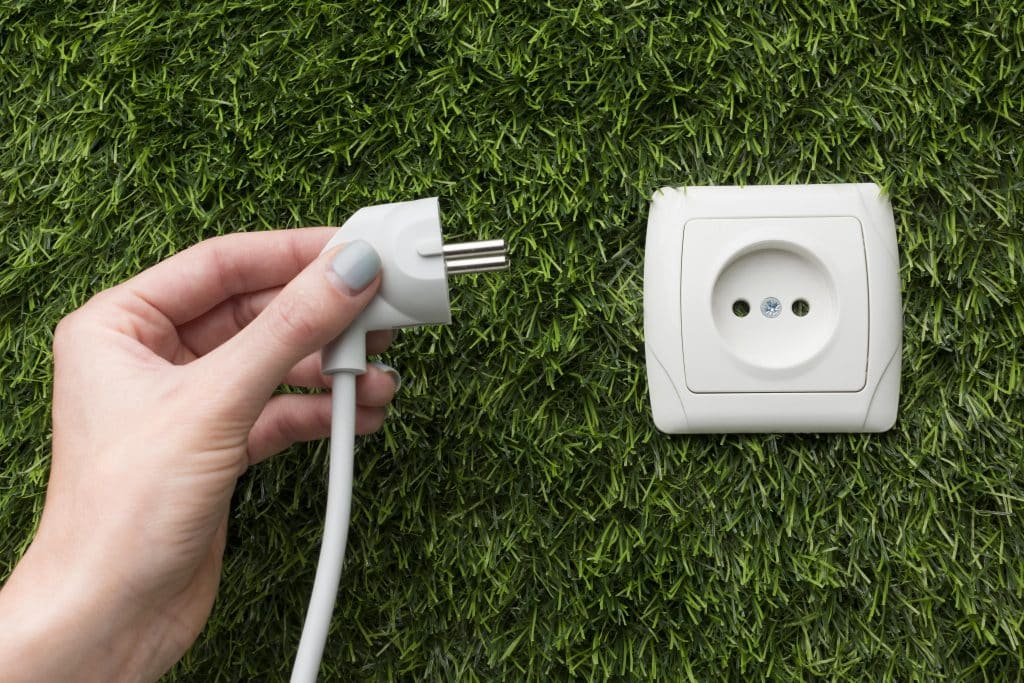
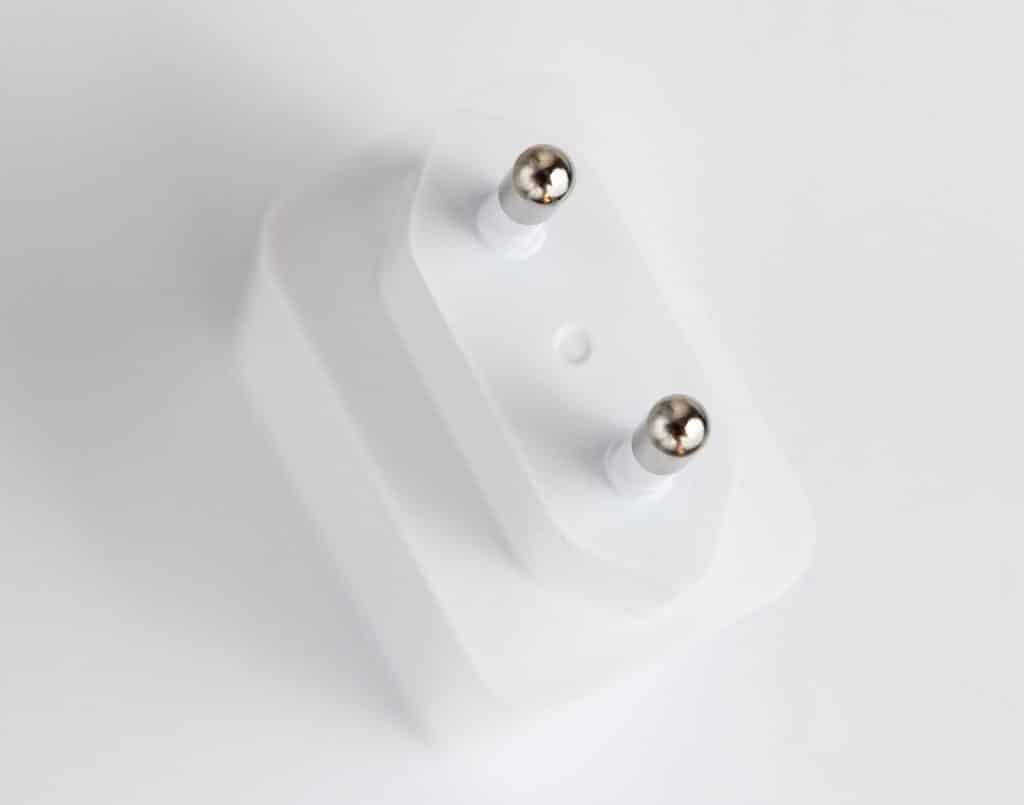
Image source: freepik
2. The voltage difference between Korea and Taiwan
Compared to Taiwan's 110V, Korea's standard voltage is 220V at 60Hz. If a device doesn't have built-in voltage conversion or can't handle 220V, we recommend avoiding using it altogether, to prevent damage, explosions, or other accidents.
Here are a few electronics commonly used while travelling — check whether the devices you're bringing are compatible. For higher-value items, it's worth checking the manual to see if it mentions voltage conversion support — if it does, you're good to go!
Devices that can charge in Korea:
- Tablets
- Phones
- Laptops
- Power banks
- Digital cameras
*In reality, chargers for high-value devices like phones, tablets, and laptops mostly already support international voltage (100V-240V) with built-in conversion, so all you need is the right plug adapter.
Devices that cannot charge in Korea:
- Hair dryers
- Hair styling tools (e.g. straighteners, curling irons, wave irons, etc.)
- Electric kettles
- Electric blankets
- Quick-boil kettles
*If a device doesn't support 220V and you still want to use it, you'll need a voltage converter (step-down transformer) in addition to a plug adapter, to convert 220V down to 110V — and never plug it directly into the outlet without one! That said, we generally recommend prioritizing devices that support international voltage, since it saves you the hassle of carrying a bulky converter and reduces the risk of accidents.
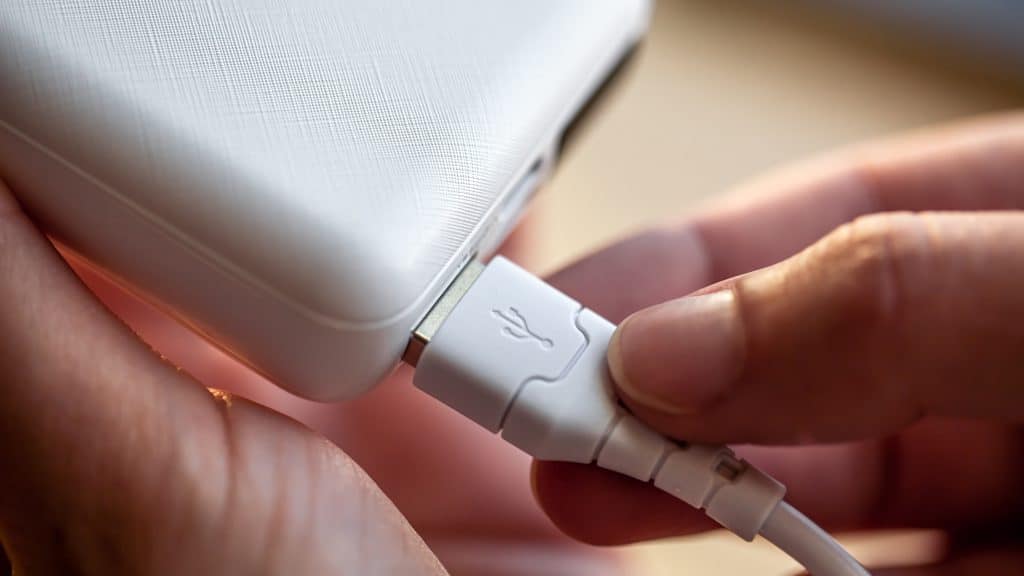
Image source: freepik
3. What else do you need before entering Korea, besides a 220V adapter?
First, prepare these five things before entering Korea:
- Entry declaration: up to 72 hours before arrival, you can fill in the digital form yourself on the official website, or flight attendants will hand out a paper version you can complete on the plane.
- ID documents: your passport, ID card, and passport-sized photos are absolute must-haves!
- Cash/credit card: although most places in Korea now support digital payments, some vendors — like street food stalls and small independent shops — still mainly accept Korean won cash.
- Data SIM: options include a physical SIM, eSIM, international roaming, or a pocket Wi-Fi device
- Personal toiletries and a change of clothes
4. What if you realize you forgot your adapter after arriving?
In Korea, you can buy a plug adapter at convenience stores (CU, GS25), large supermarkets (Lotte Mart, Emart), Daiso, electronics markets, department stores, or duty-free shops at the airport. If you'd rather not buy one, most hotels also offer rentals — just ask the front desk if you need one!
If you've got everything else sorted, why not go with DJB's eSIM for your data plan? There's no physical card to install — just scan with your phone and you're set up in no time, no worrying about a physical SIM getting lost along the way, and you can store multiple numbers on the same device for easy switching — genuinely the best choice for a data plan abroad!
5. FAQ:
Q: Can no 110V devices be used in Korea at all?
Unless the device specifically states it supports voltage conversion, you'll need both a plug adapter and a voltage converter to use it.
Q: Do outlet specs vary by region in Korea?
No — the entire country uses a standardized 220V, 60Hz spec.
Q: Besides hotels, where else can you borrow a plug adapter?
Your best bet is still asking hotel staff directly, especially at hotels with front-desk service and shift staff. Guesthouses and Airbnbs may not offer this, so it's worth checking with your host in advance.
Comments are closed for this article.
Comments (0)