 Japan eSIM | DJB
 South Korea eSIM | DJB
 Thailand eSIM | DJB
 Americas eSIM | DJB
 Americas eSIM | DJB
 Philippines eSIM | DJB



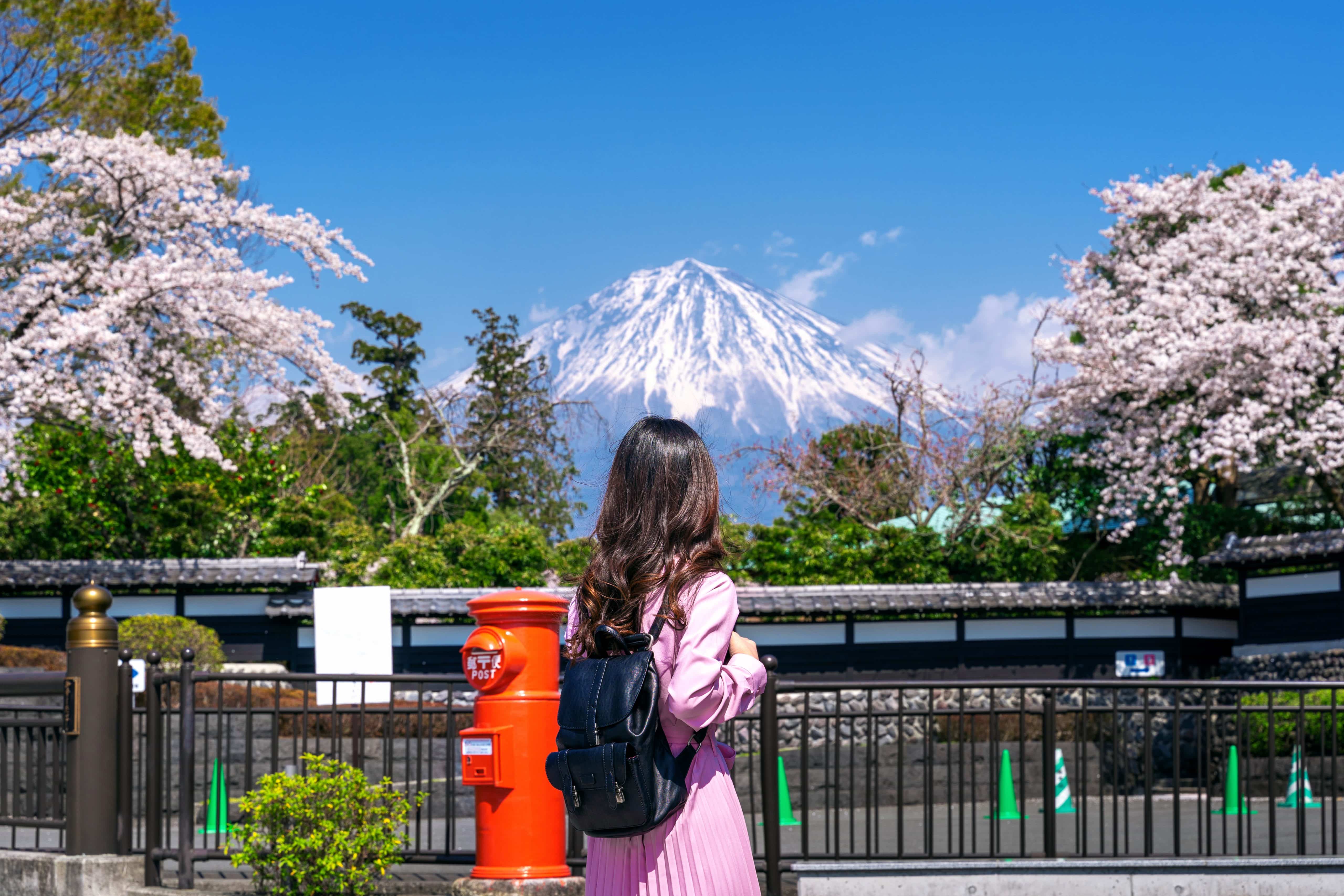
"Japan is tax-free, not free!" Here is the most complete rundown of Japan's 2026 duty-free rules. With such a favourable yen exchange rate lately, a lot of Taiwanese travellers are rushing to exchange currency now, planning to fly to Japan for a big shopping trip whenever they get the chance. DJB has put together everything you need to know about Japan's new duty-free system, launching next November — read this before you go and you will fully understand Japan's latest tax-free rules and thresholds.
Image source: freepik
What's changing in Japan's 2026 duty-free system?
- Tax-free purchases move to a "pay now, refund later" model
The Japanese government says the change is meant to prevent abuse of the tax-free system and make the refund process more transparent. It does mean losing that instant tax-free feeling at the till, but the simplified rules actually loosen up shopping restrictions overall.
The new system officially takes effect on Sunday, 1 November 2026, and the biggest single change is the shift to "pay now, refund later". In short, travellers will pay the tax-inclusive price at the time of purchase, and the refund is only processed after departure formalities are confirmed at the airport. Without that airport or border confirmation, the refund cannot be claimed. One important detail: only purchases made within 90 days before your departure date qualify for the tax refund!
- The "general goods" and "consumables" categories are being scrapped
Japan's current duty-free system splits products into "general goods" and "consumables", each with different purchase limits, packaging requirements, and rules on how long items must stay in Japan before departure — a distinction that often leaves foreign visitors confused while shopping. Under the new system launching at the end of 2026, this split disappears entirely, so travellers can combine purchases of any type made at the same time when calculating whether they meet the tax-free threshold.
*For reference: "general goods" mainly covers reusable items like clothing, bags, accessories, toys, home appliances and electronics; "consumables" covers items used once or gradually used up, like food, medicine, drinks, cosmetics and skincare, and cigarettes.
- Special sealed packaging is being scrapped
Everyone brings home a few souvenirs from a trip, right? In the past, popular buys like snacks and drugstore items fell under the "consumables" category, meaning staff had to seal them in special packaging at checkout — which is exactly why duty-free counters were always so crowded.
Since the new system does away with the general goods/consumables split, the special sealed-packaging requirement disappears too. Buying these items in Japan will no longer mean waiting around for staff to package everything, which is not only faster but also solves the classic problem of items not fitting back in your suitcase.
- The purchase cap on "consumables" is being removed
Currently, tax-free purchases of consumables are capped at ¥500,000 (before tax) per store, per day. But since the new system eliminates the consumables/general goods distinction entirely, that cap on what used to be classified as consumables disappears too.
In other words, buying luxury perfume, cosmetics or skincare in the future will no longer require spreading purchases across different days or different stores.

Image source: unsplash
Who qualifies under the new system, and what are the amounts and eligible items?
- Who qualifies
1. Foreign travellers without Japanese nationality, provided their stay in Japan — whether for tourism, diplomatic duties or official business — does not exceed 6 months.
2. Japanese nationals, who previously had to provide documentation proving at least 2 years of residency abroad — but under the new system, they no longer need to provide their residential "chiban" (lot number) or retain related supporting documents.
- Eligible amount
Once the new system takes effect, since the tax-free cap and the general goods/consumables split are both removed, travellers simply need to spend ¥5,000 or more (before tax) at the same store on the same day to qualify for a refund. The refund rate matches Japan's consumption tax, currently 10%.
- Eligible items
Everything previously classified as either general goods or consumables remains eligible — the new system simply removes the distinction between the two!
FAQ
Q: When does Japan's new 2026 system officially launch?
1 November 2026. Tax-free purchases must either be carried out of the country personally by the buyer, or shipped home directly by the duty-free retailer — items shipped overseas directly by the duty-free store still qualify for tax exemption, but arranging separate shipping from a non-duty-free location will incur tax.
Q: What does the new refund process look like?
Buy at the tax-inclusive price at a duty-free store → scan the QR code on your receipt → you are directed to the refund registration site (J-TaxRefund) → fill in the registration page → confirm your departure and process the refund → once everything checks out, the refund is triggered automatically and sent to your registered account or payment method; if the check fails, that purchase will not be refunded.
Q: Where can you claim your refund under the new system?
Exclusively at the airport, at your point of departure.
Since refunds will now only be processed at the airport, it is worth allowing extra time before your flight so you are not left rushing and stressed right before boarding!
Comments are closed for this article.
Comments (0)