 Japan eSIM | DJB
 South Korea eSIM | DJB
 Thailand eSIM | DJB
 Americas eSIM | DJB
 Americas eSIM | DJB
 Philippines eSIM | DJB


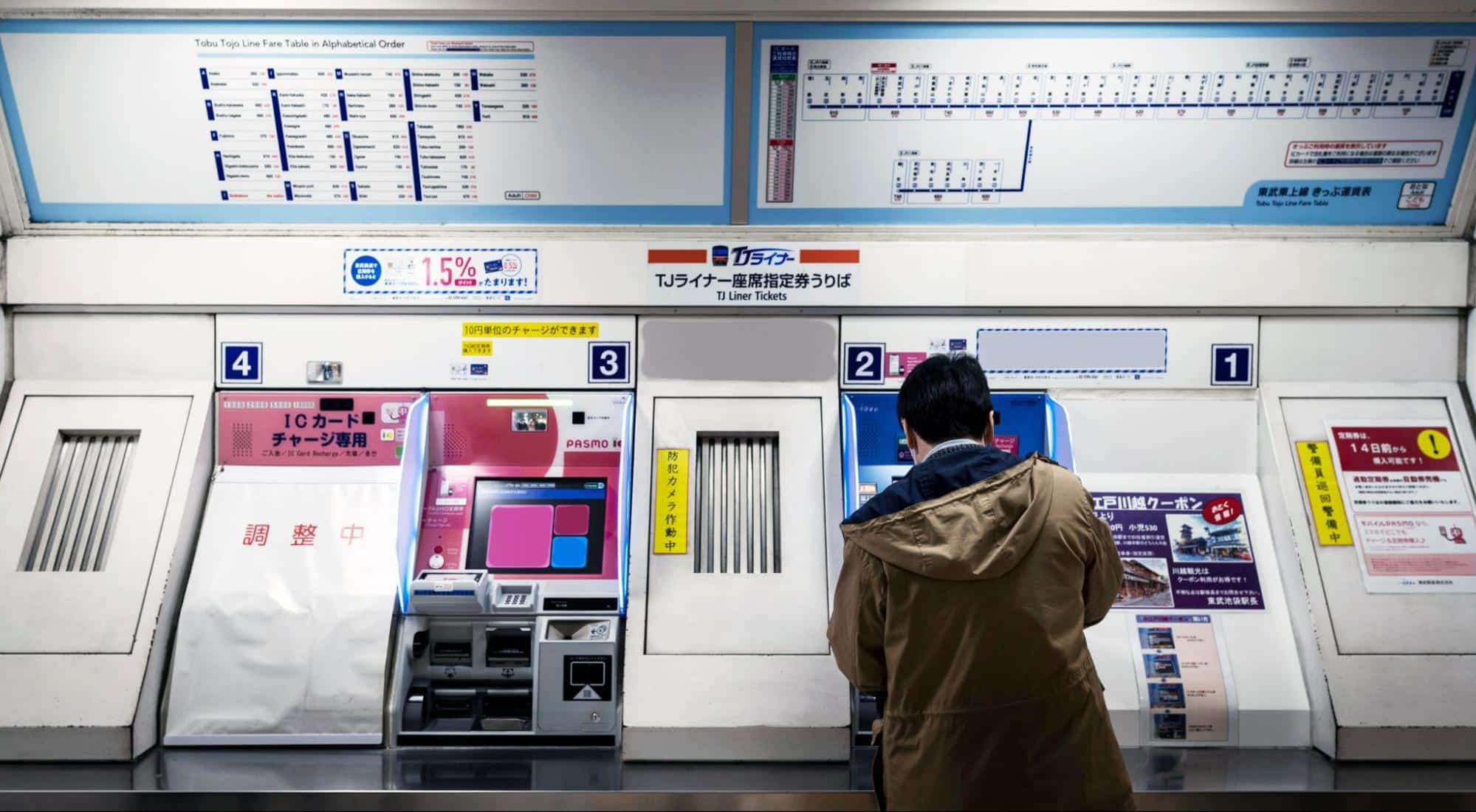
With so many transit cards in Japan, how do you choose? Today, DJB walks you through 5 recommended Japanese transit cards, with a full comparison — a must-read if you're planning a trip to Japan!
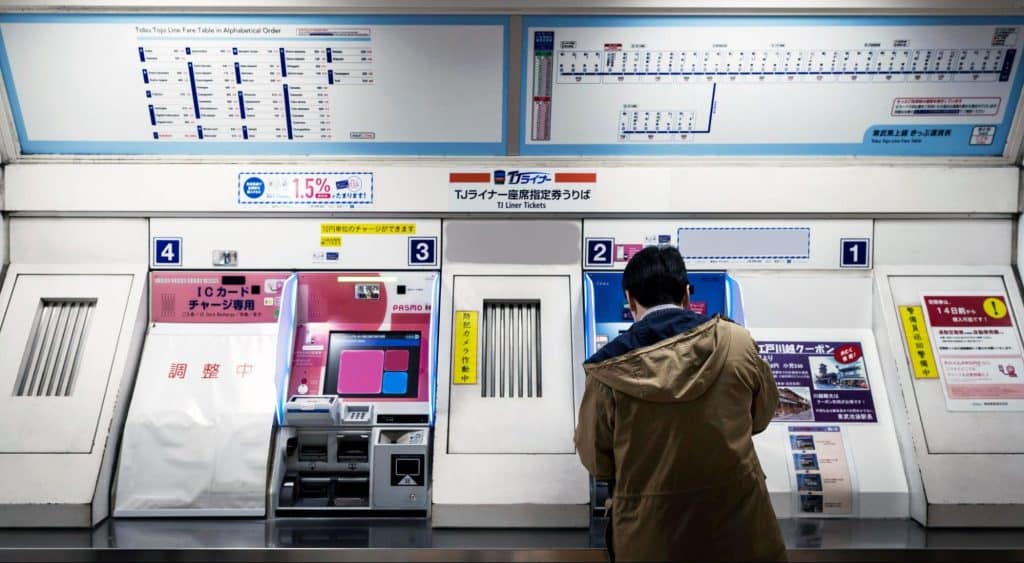
What is a Japanese transit card?
Japanese transit cards (IC cards) work just like Taiwan's EasyCard — not only do they cover transit fares, but they can also be used for small purchases at convenience stores, supermarkets, and vending machines. Since 2013, Japan's transit card systems have gradually been integrated, and 10 cards are now usable nationwide.
That said, Kumamoto City announced in November 2024 that it would discontinue accepting "nationwide IC transit cards," now accepting only cash, the Kumamon IC card, and credit cards. So if you're planning a trip to Kumamoto after November, be sure to carry enough cash to avoid getting stuck without a way to ride!
Comparing Japan's 5 major transit cards
Japan's transit cards vary by region and type, often leaving travellers puzzled over which to pick. Today, DJB breaks down 5 different Japanese transit cards, helping you easily understand each one's features so choosing is no longer a headache!
| Suica | ICOCA | PASMO | SUGOCA | OKICA | |
| Coverage | Nationwide (must enter/exit within the same region) | Nationwide (must enter/exit within the same region) | Anywhere marked as accepting IC cards nationwide | Kyushu and other locations marked as accepting IC cards | Okinawa |
| Where to buy | Ticket vending machines at JR East stations | Ticket vending machines at JR West stations | Ticket machines at Tokyo Metro, Toei Subway, or private railway stations in the Kanto region | Ticket vending machines at JR Kyushu stations | Okinawa Monorail stations, bus ticket counters |
| Highlights | - Suica: the standard card, valid for 10 years.- Welcome Suica: for short-term tourists, valid for 28 days. | - Available as adult and child cards.- SMART ICOCA can link to a credit card. | PASMO PASSPORT: exclusively for short-term tourists, valid for 28 days. | Great for travel in Kyushu | Great for travel in Okinawa |
| Apple Pay support | Yes | Yes | Yes | No | No |
| Android support | Download the "Mobile Suica" app | Download the "Mobile ICOCA" app | Download the "Mobile PASMO" app | No | No |
Japan transit card 1: Suica
-Issuer: JR East
-Coverage: nationwide, but cannot be used across regions — you must enter and exit within the same region.
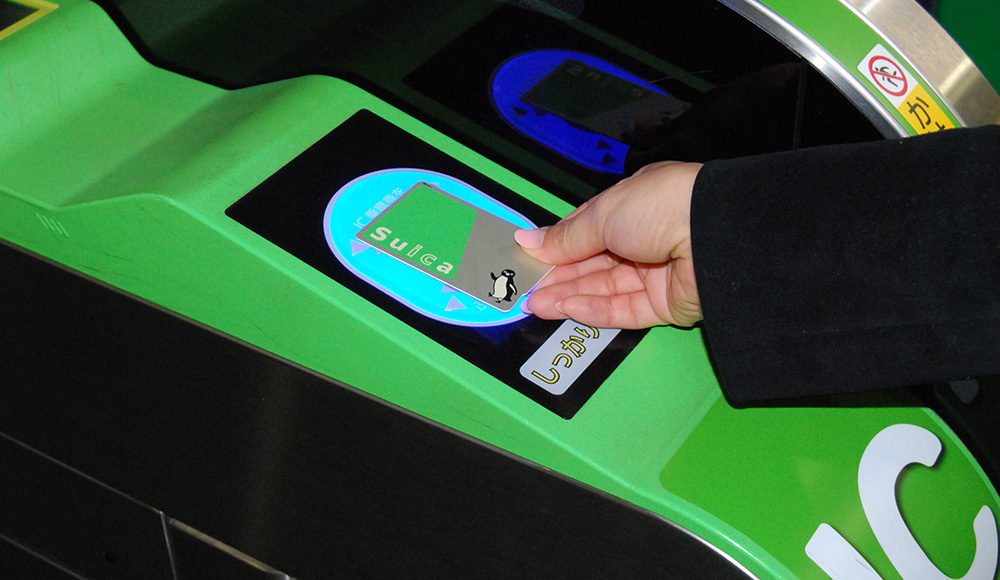
-Highlights: "Suica" is pronounced the same as "suika" (watermelon) in Japanese, giving it its cute nickname. It comes in two forms: the standard "Suica" and the tourist-focused "Welcome Suica."
Suica: available at JR ticket counters or multi-function ticket machines, requiring a ¥500 deposit, valid for up to 10 years.
Welcome Suica: designed for short-term tourists, valid for 28 days, with no refund on remaining balance after expiry.
Suica can also be added to an iPhone or Apple Watch — simply set it as your "Express Transit Card" and you can tap without unlocking your phone, incredibly convenient!
👉 Want to know how to add Suica to your phone? [Click here to learn more]
Japan transit card 2: ICOCA
-Issuer: JR West
-Coverage: usable nationwide, though ICOCA cannot be used across regions — you must enter and exit within the same region.
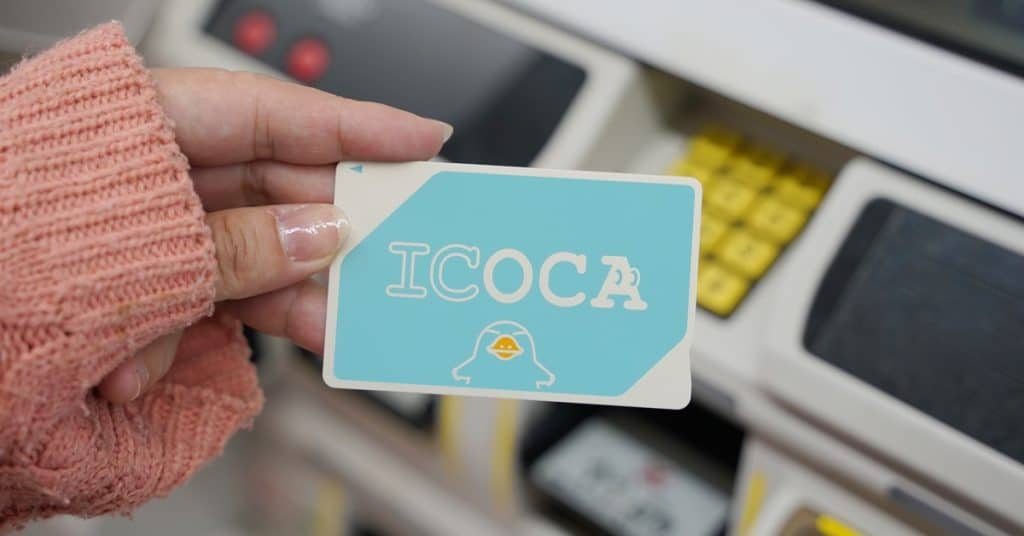
-Highlights: ICOCA's mascot is an adorable blue platypus, and the card is available as an "adult card" or "child card," with options for a commuter pass, stored-value card, or the credit-card-linked SMART ICOCA.
ICOCA can also be added to an iPhone or Apple Watch, and Android users can download the "Mobile ICOCA" app, letting you tap through gates directly with your phone — incredibly convenient.
Japan transit card 3: PASMO
-Issuer: Tokyo transit operators' PASMO association
-Coverage: usable anywhere marked as accepting IC cards.
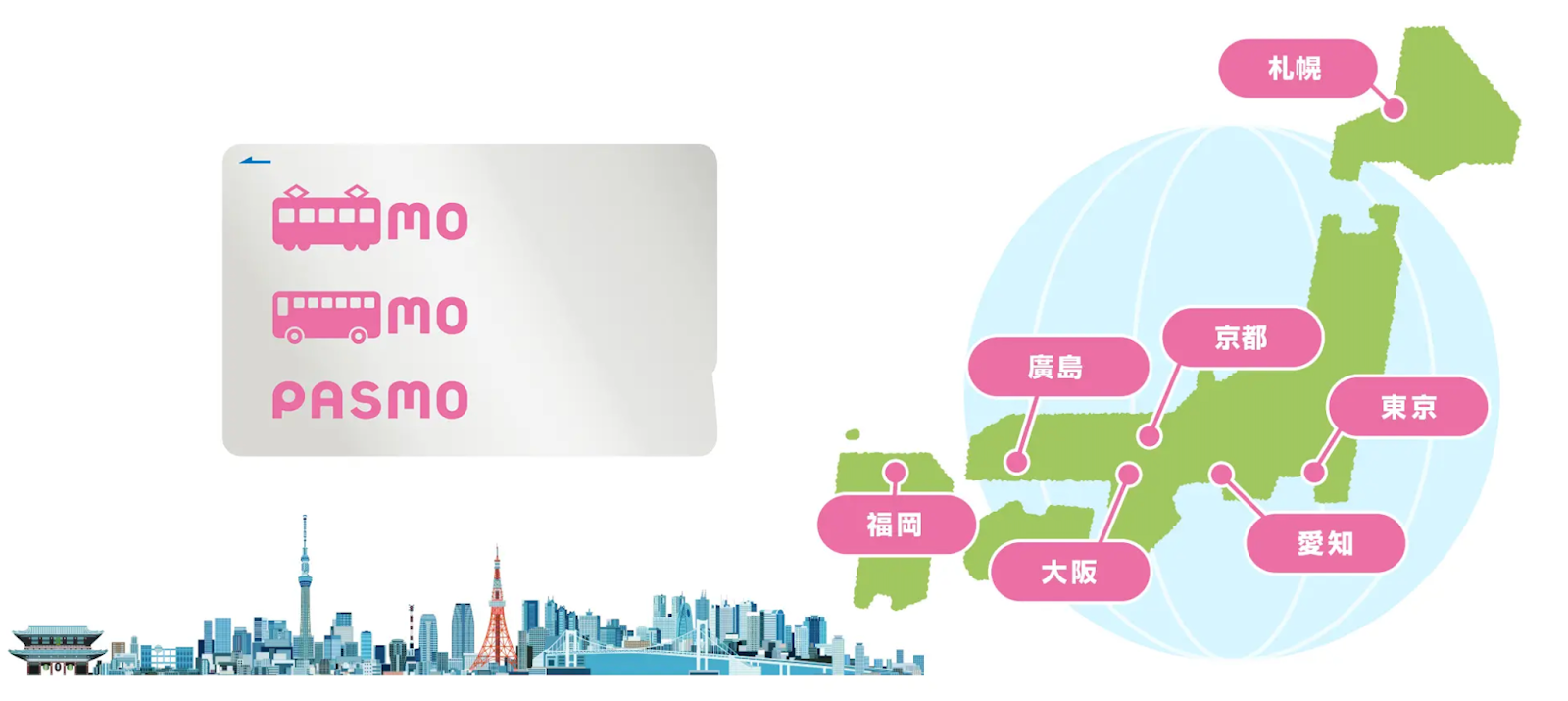
-Highlights: PASMO offers its own app, letting you tap directly with your phone once set up — extremely convenient. There's also "PASMO PASSPORT," designed specifically for short-term visitors, valid for 28 days, with no deposit required.
Just like Suica and ICOCA, PASMO can also be linked to your phone or used through an app, letting you tap through gates with your phone.
Japan transit card 4: SUGOCA
-Issuer: JR Kyushu
-Coverage: usable in the Kyushu region, plus subways, buses, and shops elsewhere marked with a transit card logo.
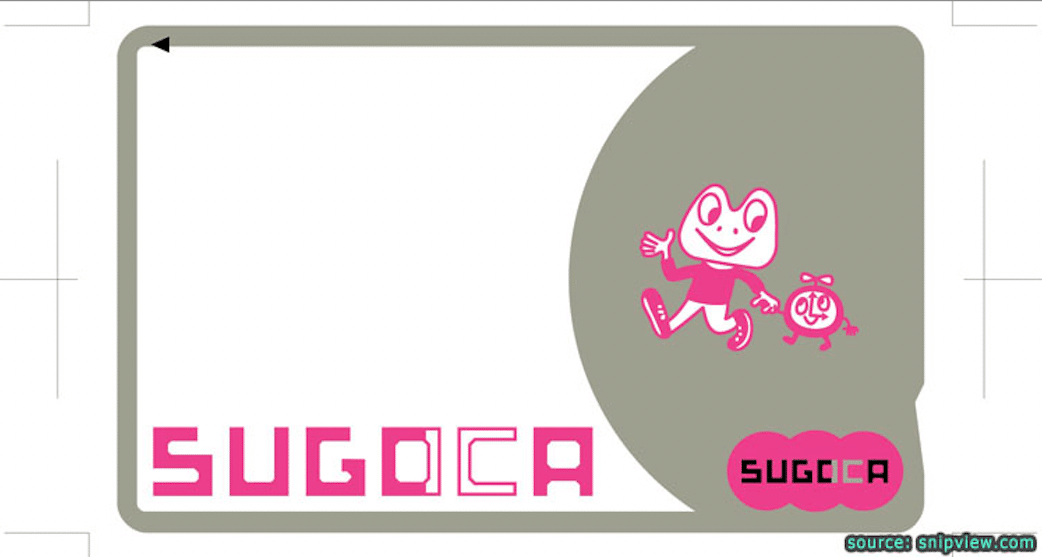
-Highlights: SUGOCA features a pink frog on its design, earning it the nickname "Frog Card." Some booking platforms even offer airport pickup, which is quite convenient.
Japan transit card 5: OKICA
-Issuer: jointly launched by the Okinawa Monorail and local bus operators
-Coverage: usable in Okinawa.
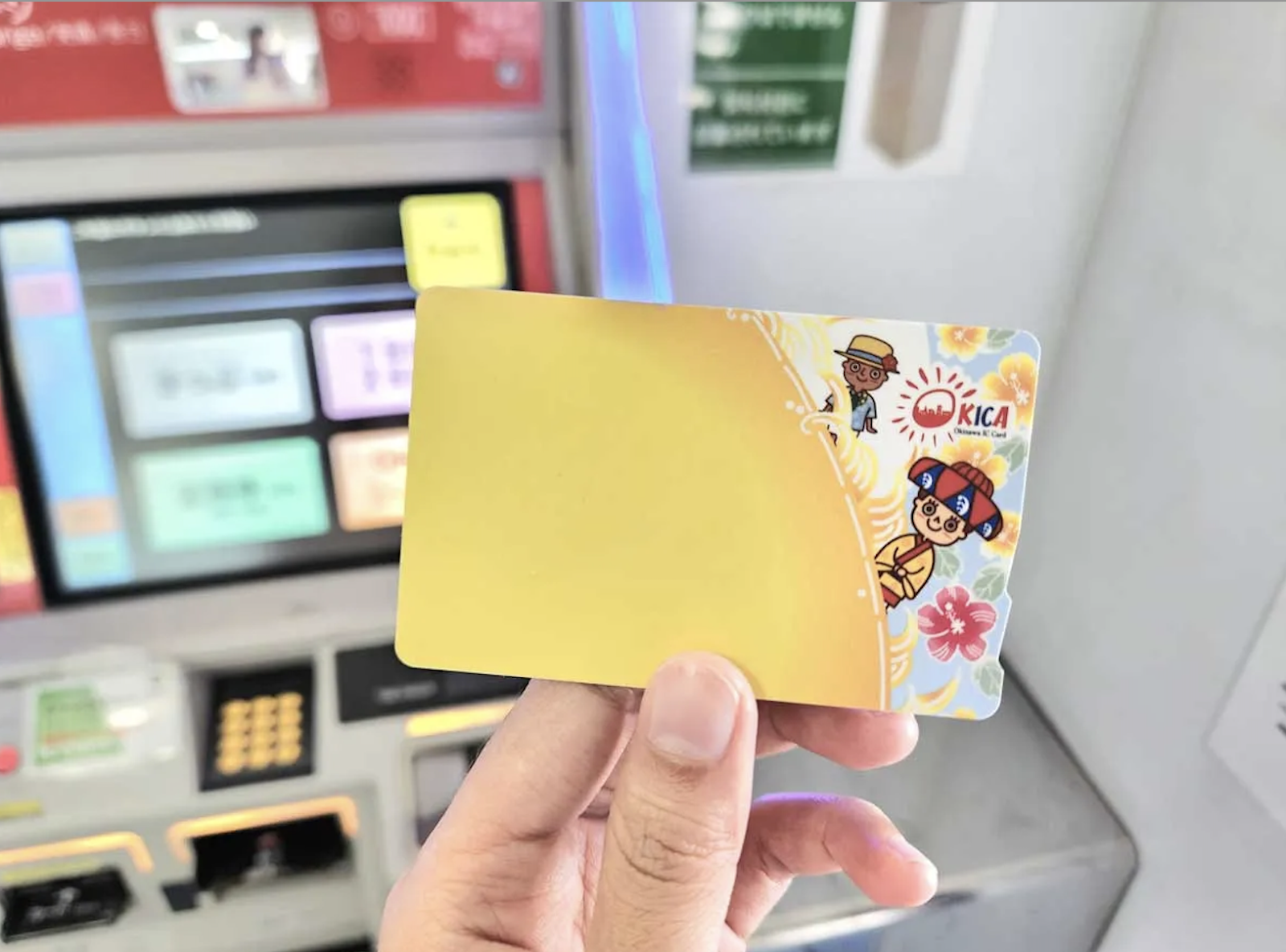
-Highlights: while Suica does work on the Okinawa Monorail, Okinawa's buses only accept OKICA or cash. So we recommend picking up an OKICA card if you're heading to Okinawa!
FAQ about Japanese transit cards
Q1: Which Japanese transit card should foreign travellers choose?
For a short trip, "Welcome Suica" or "PASMO PASSPORT" are great choices — both are valid for 28 days and require no deposit.
Q2: Can you get a refund on a Japanese transit card's balance?
Most Japanese transit cards can be refunded (deposit plus balance) at a designated counter, with a ¥220 processing fee. However, tourist-exclusive cards like Welcome Suica are not refundable.
Q3: Can a transit card from a previous Japan trip still be used?
Japanese transit cards are typically valid for 10 years, so your old Suica, PASMO, ICOCA, or similar cards should still work.
Q4: What if you lose your Japanese transit card?
If you're using a registered card, you can report it lost at a service counter and get a replacement issued. Unregistered cards cannot be reported lost.
Q5: Can a Japanese transit card be used for shopping?
Besides transit fares, transit cards can also be used for small purchases at supermarkets, convenience stores, and vending machines — extremely convenient.
Q6: How do you top up a Japanese transit card?
Besides ticket machines at the issuer's stations, Japanese transit cards can also be topped up at local convenience stores, making it quite convenient.
Now that Japan's transit cards have been integrated, their coverage and features are largely similar across the board, so feel free to pick whichever design you like best and explore all of Japan! Whichever Japanese transit card you choose, don't forget to bring a DJB Daijobu Unlimited card too, keeping you connected at high speed throughout your trip, so you can easily share great photos and capture every wonderful moment.
https://www.youtube.com/watch?v=C86w7BO1L6Y
Comments are closed for this article.
Comments (0)