 Japan eSIM | DJB
 South Korea eSIM | DJB
 Thailand eSIM | DJB
 Americas eSIM | DJB
 Americas eSIM | DJB
 Philippines eSIM | DJB



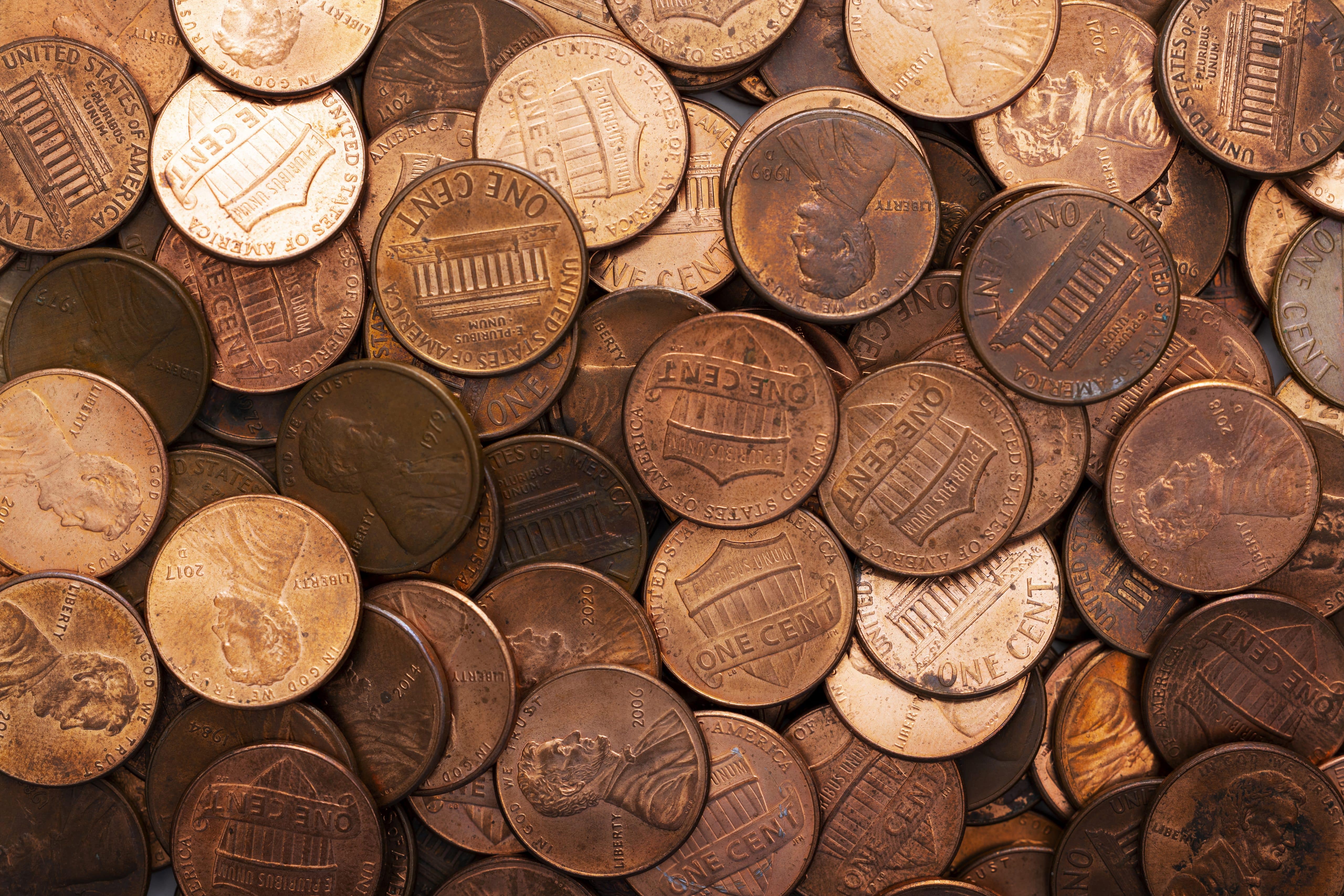
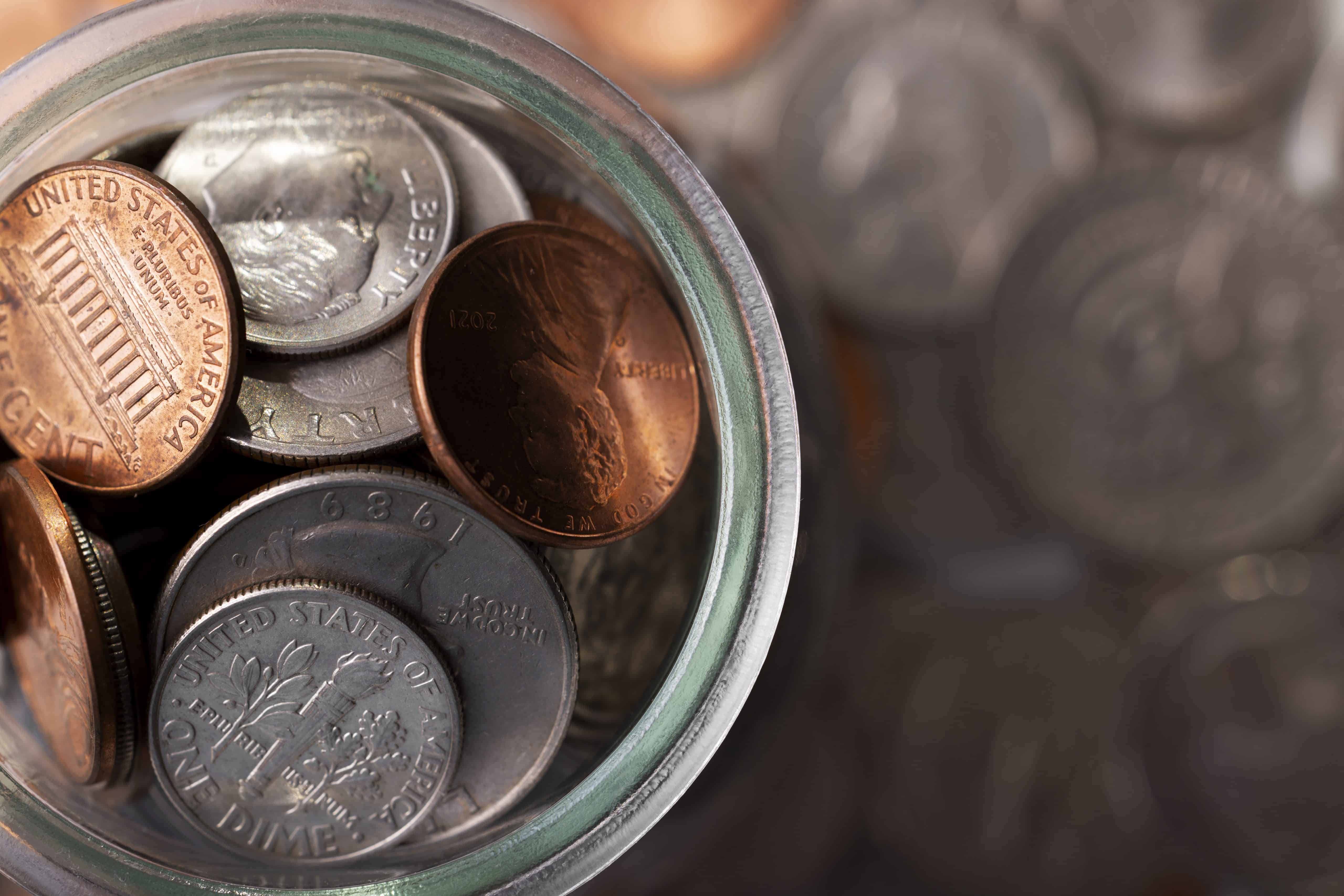
According to the latest data from the U.S. Mint and Treasury, in fiscal year 2024 (October 1, 2023 to September 30, 2024), the cost to manufacture and distribute a single Lincoln penny reached 3.69 cents — nearly four times its face value. About 322 million pennies were produced that year, resulting in a loss of roughly $85.3 million for the government. To reduce spending, the Treasury has placed its final order for metal blanks, with production expected to stop once this batch runs out — likely to formally end in early 2026.
From your pocket to the treasury: the impact of a single penny
1. Penny production costs and losses
- In fiscal year 2024, the cost per penny reached 3.69 cents, nearly four times its face value — the 19th consecutive year the cost has exceeded face value.
- Around 322 million pennies were produced, resulting in a loss of $85.3 million.
- Year-over-year cost increases: penny cost up 20.2%, nickel cost up 19.4%, dime cost up 8.7%.
2. Production halt plan and timeline
- The Treasury has placed its final order for metal blanks; once the stock runs out, the Mint will stop producing pennies.
- Production is expected to end in early 2026.
3. Alternative currency and congressional hurdles
- After production ends, pennies will gradually leave circulation, though they'll retain legal tender status — cash transactions will instead round to the nearest 5 cents.
- Bills to eliminate the penny have been proposed in the past, but require congressional approval to pass.
4. The controversy over eliminating the penny
- Supporters' view: those in favor of elimination argue that continuing to produce the penny is a waste of resources. Brookings Institution economist Henry Aaron wrote in 2013 that life would be simpler without this "loose-change junk."
- Opponents' view: those against elimination argue that ending production would push prices to round upward, hurting consumers — especially lower-income groups. They also point out that the penny is an important symbol of American culture and history.
- Congressional hurdles: the production halt plan requires congressional approval to be fully implemented, and past elimination proposals have repeatedly failed to pass.
5. International precedents
- Canada: stopped producing the penny in 2013, rounding cash transactions to the nearest 5 cents, while credit card and electronic payments remain precise to the cent.
- Australia and New Zealand: eliminated the 1-cent and 2-cent coins back in the 1990s, with the market functioning smoothly since.
- Conclusion: experience from most countries shows that eliminating small-denomination coins has minimal impact on prices, while significantly reducing administrative and production costs.
6. Future impact
- For consumers: cash payment habits will need some adjustment, though the rise of electronic payments should minimize the inconvenience.
- For businesses: cash register systems and pricing strategies will need updating, ensuring rounding rules stay transparent.
- For the government: ending production is expected to save $56 million in material costs annually, helping reduce the currency production deficit over the long term.
🔍 Further reading 1 | How to quickly identify US coins
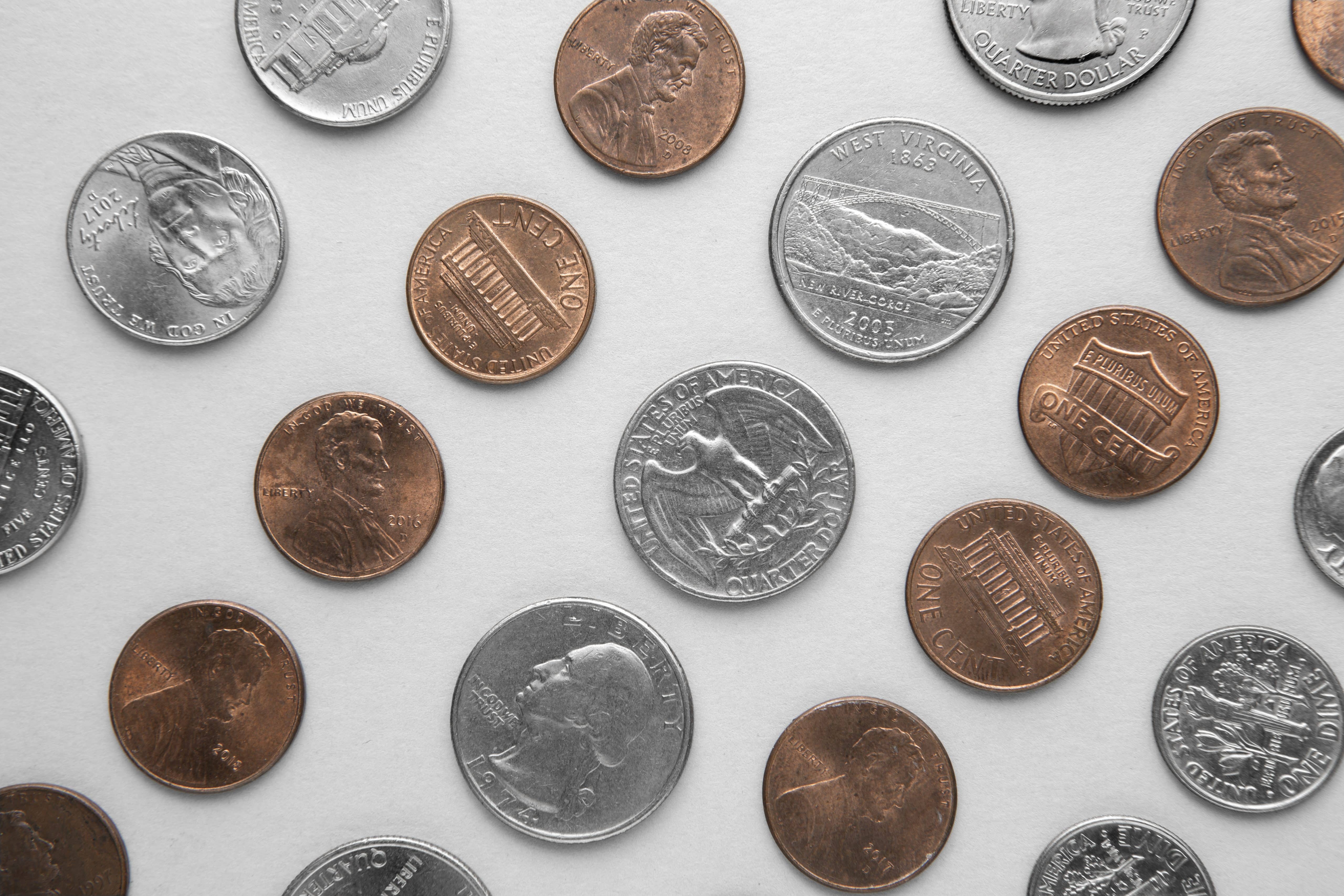
| Denomination | Appearance | Equivalent value |
| 1¢ Penny | Copper-red, smallest coin. Front: Lincoln's portrait + "In God We Trust," "Liberty," and the year Back: Lincoln Memorial (1959-2008); shield design (2010-present) | 100 coins = $1 |
| 5¢ Nickel | Silver, thick and substantial. Front: Jefferson's portrait Back: his home, Monticello | 20 coins = $1 |
| 10¢ Dime | Silver, the smallest and thinnest of all coins. Front: Roosevelt's portrait Back: a torch (liberty), an olive branch (peace), and an oak branch (strength and independence) | 10 coins = $1 |
| 25¢ Quarter | Silver, larger than a nickel. Front: Washington's portrait Back: an eagle design (traditional) or state/national commemorative designs | 4 coins = $1 |
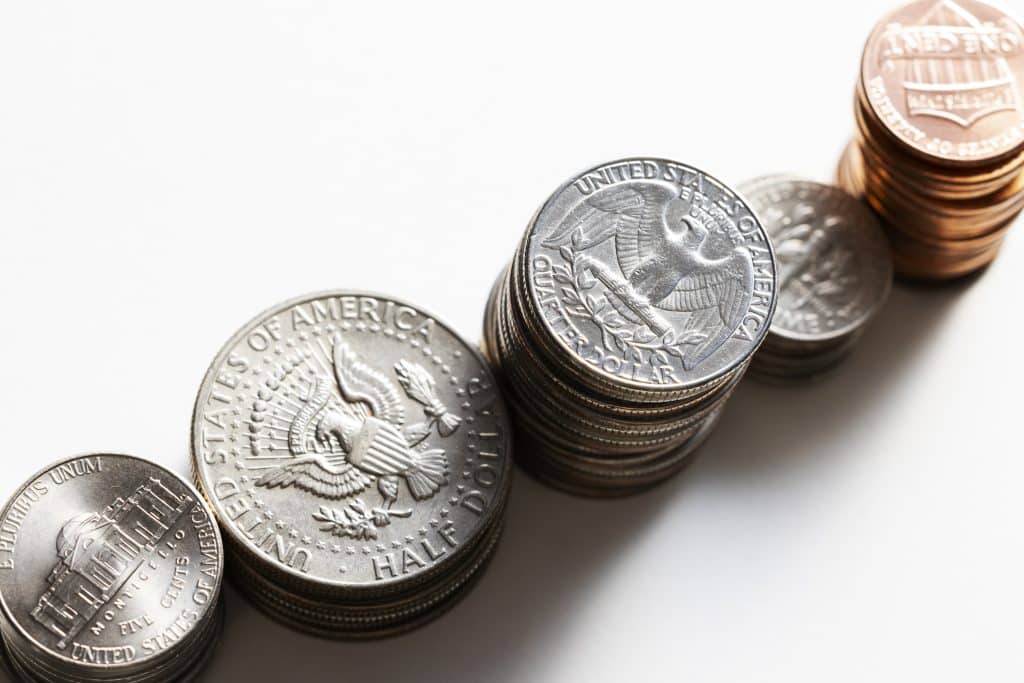
| 50¢ Half Dollar | Silver, the largest coin. Front: President Kennedy's portrait Back: an eagle with spread wings in front of a shield, holding an olive branch and 13 arrows, surrounded by 50 stars representing the 50 states. | 2 coins = $1 |
| $1 Coin | Gold-colored (a nickel-copper alloy). Front: features portraits of Susan B. Anthony, Sacagawea, or past presidents Back: an eagle, the Statue of Liberty, or designs related to Native American culture | 1 coin = $1 |
🔍 Further reading 2 | A deeper look at US coins and monetary policy
1. The history of US coins
US coins have been minted since 1793, with the penny first issued that same year. Starting in 1909, it began featuring President Abraham Lincoln's portrait on the front, making it one of the longest-running and most symbolically significant coins in US history. The coin's material has changed several times, moving from an original copper alloy to today's zinc-core, copper-plated structure, in response to raw material costs and durability needs. (Source: U.S. Mint)
2. International cases of eliminating small-denomination coins
Canada stopped issuing the penny in 2013, switching to rounding cash transactions to the nearest 5 cents — significantly cutting production costs without causing major inflation. Australia and New Zealand were early adopters, eliminating the 1-cent and 2-cent coins back in the 1990s, proving that discontinuing small-denomination coins doesn't harm the market — if anything, it improves the efficiency of currency circulation. (Source: Royal Canadian Mint, Reserve Bank of Australia)
3. Weighing the pros and cons of eliminating the penny
Supporters argue that stopping penny production could save tens of millions of dollars in production costs while reducing resource waste, benefiting the environment. Opponents worry that rounding transactions could push prices up, disproportionately affecting lower-income groups. There's also the coin's historical and cultural value, which many people feel nostalgic about. (Source: Brookings Institution)
4. The role of coins in the US monetary system
As electronic payments become more widespread, coin use in everyday transactions has gradually declined, especially for low-denomination coins. Even so, coins remain an important form of legal tender, widely used for public transit, parking fees, and retail change. (Source: Federal Reserve)
5. Coin production technology and cost structure
The U.S. Mint uses advanced minting technology to produce coins, with raw material costs and manufacturing processes both affecting overall cost. Taking the penny as an example, its zinc-core, copper-plated structure lowers costs, but fluctuating raw material prices still push production costs above face value, resulting in a long-term loss for the government. (Source: U.S. Mint report)
6. Future currency trends and digital currency
Central banks worldwide are actively developing central bank digital currencies (CBDCs) to improve transaction efficiency and security. As cashless societies gradually take shape, physical coin use may decline further, bringing major structural changes to monetary systems. (Source: International Monetary Fund)
7. FAQ
- Can you still use the penny?
Yes — it currently retains legal tender status and remains in normal circulation and use. - What happens to pennies already in circulation after production stops?
Existing pennies will continue to circulate, gradually phasing out of the market. - Will ending production affect prices?
Experience from most countries shows minimal impact, with price adjustments mostly handled through rounding by businesses.
Comments are closed for this article.
Comments (0)