 Japan eSIM | DJB
 South Korea eSIM | DJB
 Thailand eSIM | DJB
 Americas eSIM | DJB
 Americas eSIM | DJB
 Philippines eSIM | DJB


Which months are best for a Thailand trip? A complete guide to things to know, essential for planning your itinerary

When's the best time for Taiwanese travellers to visit Thailand? If you want to avoid the frustrating downpours of the rainy season or the sweltering heat, which months work best? Learn the essential things to know for Thailand travel, even on your very first trip abroad — a bit of prep now means an even better trip later.
📍The most comfortable season for a Thailand trip
So which months are actually best for Thailand? Thailand runs hot overall, though there's some difference between the city and mountain areas — generally, temperatures average 19-36°C, with a daily average around 28°C. Thailand's peak and off-peak seasons mainly follow climate patterns, split into cool, hot, and rainy seasons. November through February is the cool season and the most comfortable time to visit, making it a popular choice; March through May is the hot season, with the driest, hottest air, so sun protection matters; June through October is the rainy season, the wettest time of year — Thailand's downpours tend to hit fast and hard, often causing traffic jams, so be extra careful with outdoor plans.
| Season | Months | Temperature | Rainfall | Notes |
| Cool season | Nov-Feb | 19°C-26°C | 3%-16% | 💙Great for kids and seniors, relatively comfortable temps 🧡Flights and hotels cost more |
| Hot season | Mar-May | 32°C-38°C | 13%-46% | 💙You can join the Songkran Water Festival 🧡Intense heat risks heatstroke — watch your sun protection |
| Rainy season | Jun-Oct | 27°C-28°C | 47%-67% | 💙Fewer tourists, cheaper hotels and flights 🧡Sudden downpours and thunderstorms make getting around harder |
📍Must-visit attractions for a multicultural experience in Thailand
About 2 hours from Bangkok, Pattaya is a famous beach resort town where many visitors enjoy outdoor water activities like snorkeling, diving, sailing, and kayaking, while soaking up Thai food and culture. Pattaya is also home to plenty of well-known attractions — beyond visiting temples and palaces to explore Thailand's religious and cultural heritage, you can spend a fun family day at zoos, water parks, and theme parks, then head out at night for a Muay Thai show at a boxing venue, or catch a spectacular magic performance at a theater for a taste of Pattaya's nightlife.
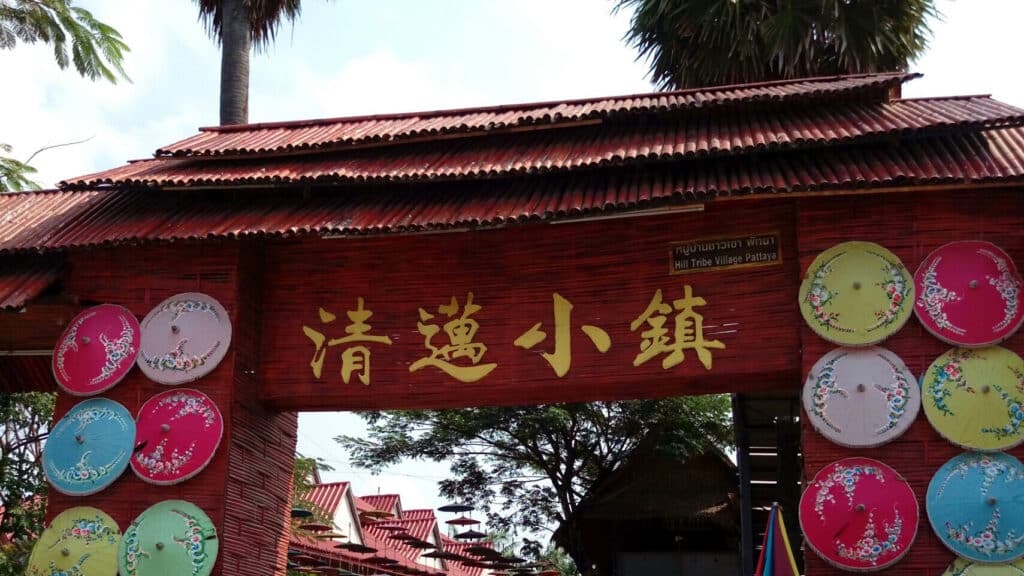
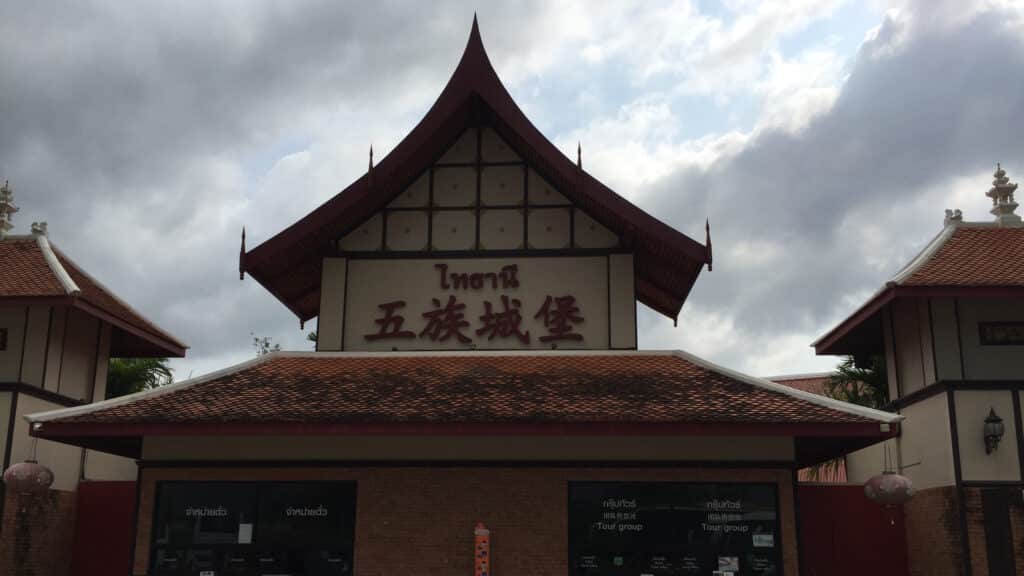
1. Experience Thai culture and history: Mini Siam (or the Five Ethnic Groups Cultural Village)
This park is steeped in Thai cultural charm, with stilt houses, pointed roofs, staff in traditional Thai dress, and temple Buddha statues throughout. The park brings together the most traditional ancient heritage from all four regions of Thailand (North, Central, Northeast, and South), letting you admire Thai folk art, try on traditional Thai clothing, join a lively Songkran water celebration or Loy Krathong lantern-floating tradition, and learn about Thai history — a wonderful spot for the whole family, and an absolute must-visit for anyone interested in Thai culture.
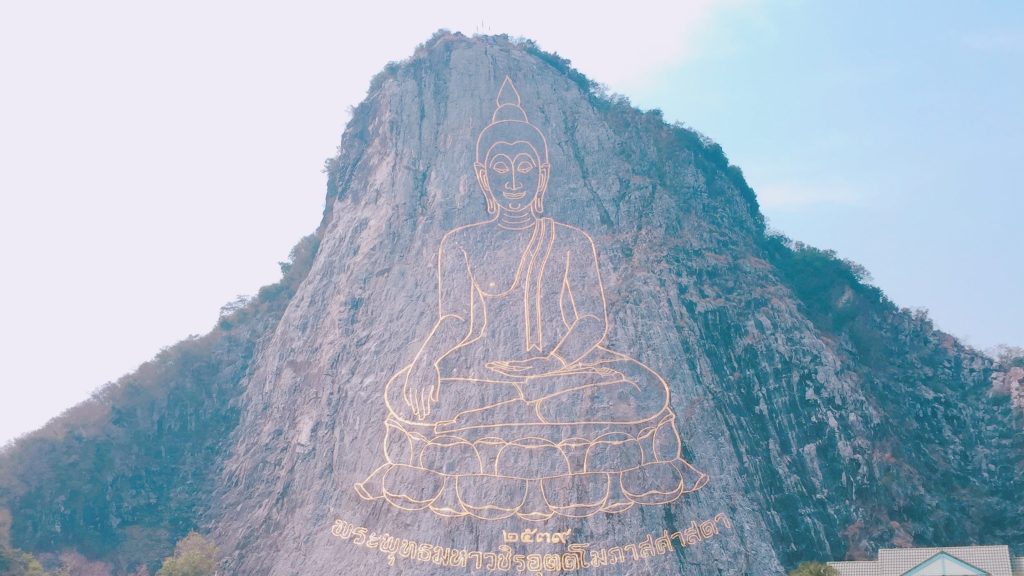
2. Discover Thai religious art: the Golden Buddha Mountain (Khao Chi Chan)
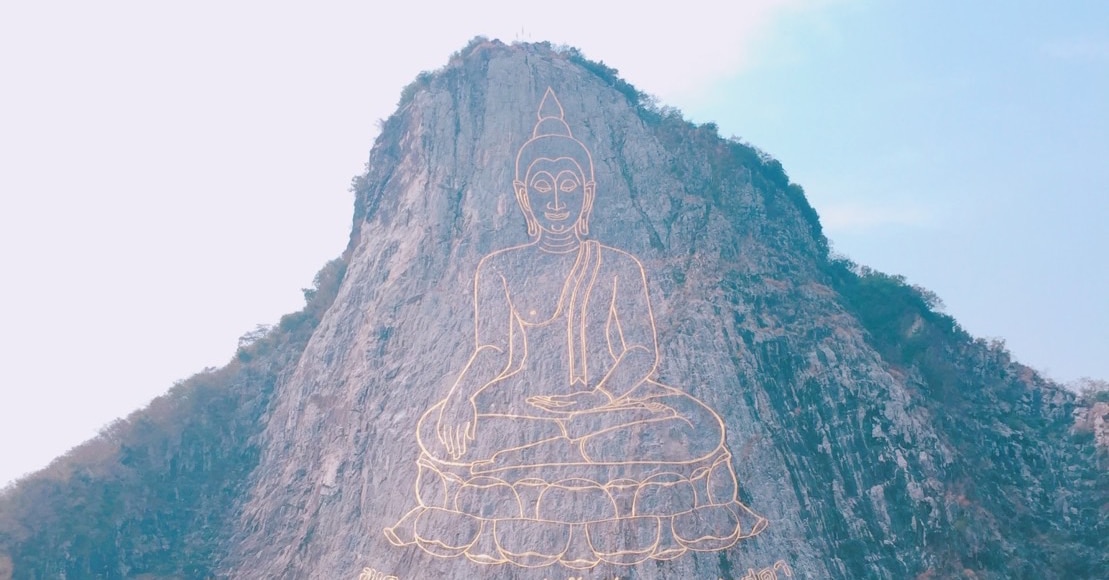
Thailand is home to a huge number of Buddhists, and legend holds that this mountain sits on an important geomantic vein in Thailand. Since a Buddha statue couldn't be directly carved into the rock face, the mountain was instead split and laser-etched to outline a Buddha figure, then inlaid with 18 tons of 24K gold leaf. A small Buddha crafted from colorful gemstones sits on the statue's chest, giving this site its "Golden Buddha Mountain" name. Enshrining Shakyamuni Buddha to bless Thailand, the site carries a genuinely strong spiritual energy, drawing countless Buddhist devotees on pilgrimage to see this massive golden statue.
3. Admire Thailand's natural landscapes and wildlife: Khao Kheow Open Zoo
Khao Kheow Open Zoo is Pattaya's largest open-air public zoo, letting you take in a stunning view of untouched tropical mountain forest, its green foliage covering the hillside for a sweeping view. Visitors can rent a golf cart to explore the park, or take a sightseeing tram to view the animals, with chances to feed smaller animals up close and interact with wildlife directly. We recommend visiting outside the rainy season for the best experience — a great outing for the whole family.

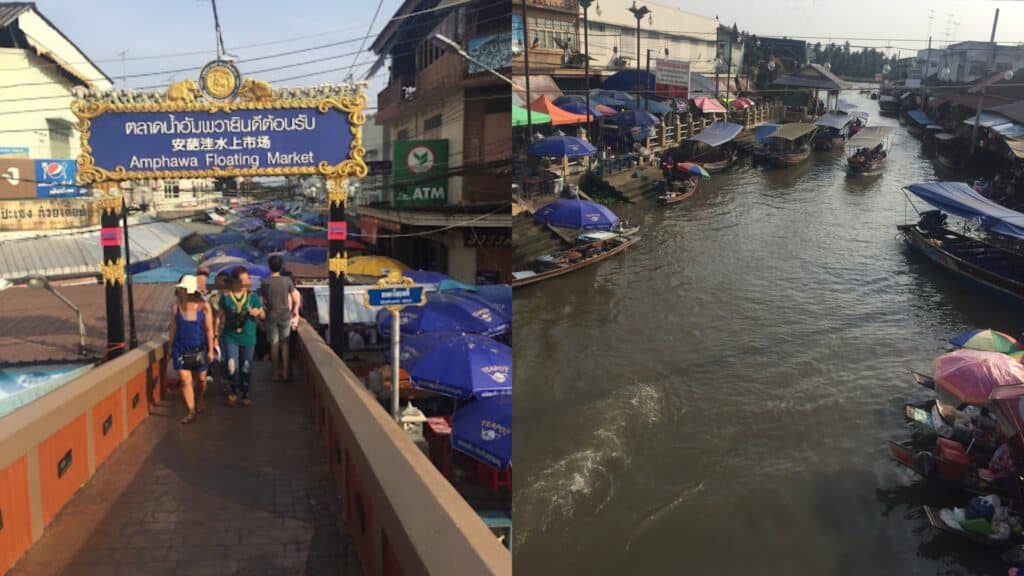
4. Enjoy Thai food and everyday life: Amphawa Floating Market
Amphawa Floating Market only operates on weekend afternoons and evenings, open Friday through Sunday — stalls generally open around 3-4pm and run until 8-9pm, though on weekends it starts as early as morning, so keep this in mind when planning your Thailand trip. It feels a lot like a Taiwanese night market, with vendors mostly selling local food and general goods — you'll find all kinds of Thai dishes and street snacks here, whether you're after spicy, sour, or sweet flavors, all at more affordable prices than other tourist spots. Be sure to grab a glass of the signature Thai milk tea while you're there!
5. Thailand's exciting, energetic nightlife: Muay Thai Pattaya boxing venue and Tuxedo Fantastic Magic Theater
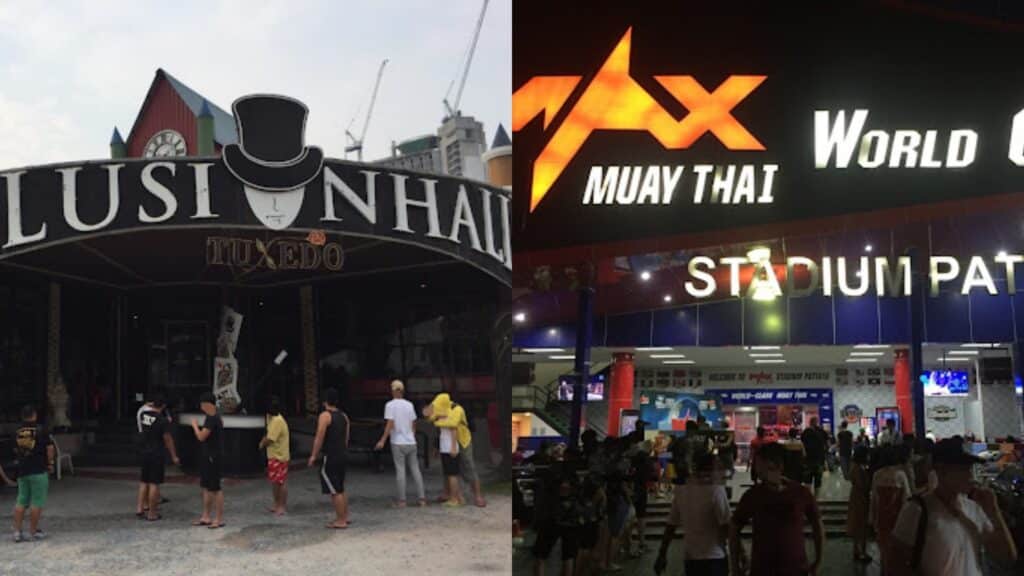
How could you visit Thailand without experiencing its nightlife? Plenty of people have heard of Muay Thai, but few get the chance to see a real show live — Muay Thai Pattaya offers a range of boxing memorabilia to browse, plus a fantastic, air-conditioned venue! Watching fighters compete up close is genuinely exhilarating. Tuxedo Fantastic Magic Theater, meanwhile, was Thailand's first dedicated magic theater, featuring top magicians from Thailand and abroad alongside professional dancers for a dazzling, immersive show. Its spectacular, mysterious performances leave kids wide-eyed with wonder, with evening showtimes too — perfect for the whole family to enjoy after dinner.
📍Essential things to note before your Thailand trip
Thailand is a beautiful, distinctive destination, and to make sure you head out happy and come home safe, here's a rundown of key points to remember before and after you arrive:
1. Before your trip:
- Visa requirements: a tourist visa is required for Thailand — be sure to handle the paperwork in advance and confirm your travel insurance and Thailand data SIM.
- Currency and exchange rates: Thailand uses the Thai baht (THB) — we recommend exchanging currency in advance and keeping an eye on the exchange rate.
2. After you arrive:
- Food safety: given differences in local food habits, anyone with a sensitive stomach should choose clean, hygienic restaurants and food stalls, bring personal medication (like antacids or cold medicine), and avoid raw or cold foods to prevent food poisoning and stomach issues.
- Traffic safety: Thailand's traffic can be fairly chaotic, and Thai is the main language spoken — learning a few basic common phrases can help you communicate with locals.
3. Other things to note:
- Unlike Taiwan, Thailand has a royal family, and locals hold them in extremely high regard — avoid any disrespectful remarks or behavior toward the head of state or royal family members, and be respectful of local culture.
The cool season has always been the most popular time for a Thailand trip, and Thailand's travel costs remain genuinely great value overall, making it a favorite destination for Taiwanese travellers — whether you're after relaxation or thrills and entertainment, there's plenty to choose from. Before you set off exploring, don't forget your essential Thailand data SIM, so you're never stuck without internet once you land!
Further reading:
>>[2023 visa guide] How do you apply for a Thai visa?
>> 2023 entry requirements for Thailand
>> Great-value accommodation in Hua Hin, Thailand for 2023: Cha-am, Love and Hope Palace, Hua Hin Station, and CICADA Market

Comments are closed for this article.
Comments (0)