 Japan eSIM | DJB
 South Korea eSIM | DJB
 Thailand eSIM | DJB
 Americas eSIM | DJB
 Americas eSIM | DJB
 Philippines eSIM | DJB



Introduction: Straddling both Europe and Asia, Turkey blends European charm with Middle Eastern culture, making it a frequent addition to many a travel bucket list. But first-time visitors often wonder: is Turkey safe? This article breaks down Turkey's safety situation, the best seasons and attractions to visit, and rounds up practical travel tips to help you plan the trip smoothly.
1. Is Turkey safe to visit? A look at its safety situation
Overall, Turkey is a relatively safe place to travel. In major tourist cities such as Istanbul and Cappadocia, locals are friendly toward foreign visitors, and Turkey's safety record ranks above average even among European countries.
That said, wherever you are in Turkey, it is still worth staying alert to pickpockets, especially at tourist sites and crowded venues, and keeping valuables close. Consider a tracking card — its ultra-thin design fits neatly with your belongings, and lets you ring it remotely to help lower the risk of theft.
2. What is the best season to visit Turkey?
Every season in Turkey has its own charm, but spring and autumn are generally considered the best times to visit. Both seasons bring warm, pleasant temperatures and little rain, making them ideal for exploring cities, visiting historic sites, and enjoying outdoor activities.
By contrast, Turkey's summers are dry and hot, while its winters are cold and rainy. Both seasons have their own seasonal highlights, but the overall travel comfort and experience tend to be a bit lower.
3. Where to go on an independent trip to Turkey: recommended attractions
- (1) Istanbul attractions
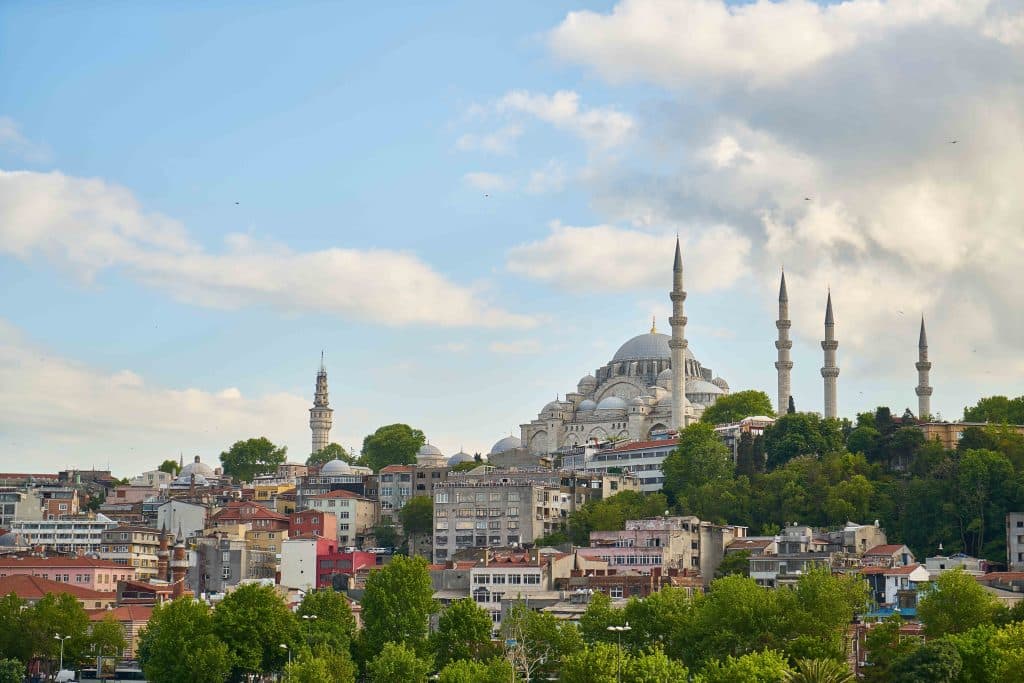
Hagia Sophia: a defining landmark of Turkey, the Hagia Sophia blends Islamic and Byzantine architectural styles across more than 1,500 years of history. Its dome interior is covered in mosaic art, radiating a rich sense of history and artistry — an unmissable stop in Istanbul.
The Grand Bazaar: one of the oldest and largest covered markets in the world, home to over 3,000 shops selling every kind of Turkish speciality. Visitors can soak up authentic Turkish culture and history here, making it a highlight of any independent trip to Turkey.
- (2) Cappadocia attractions
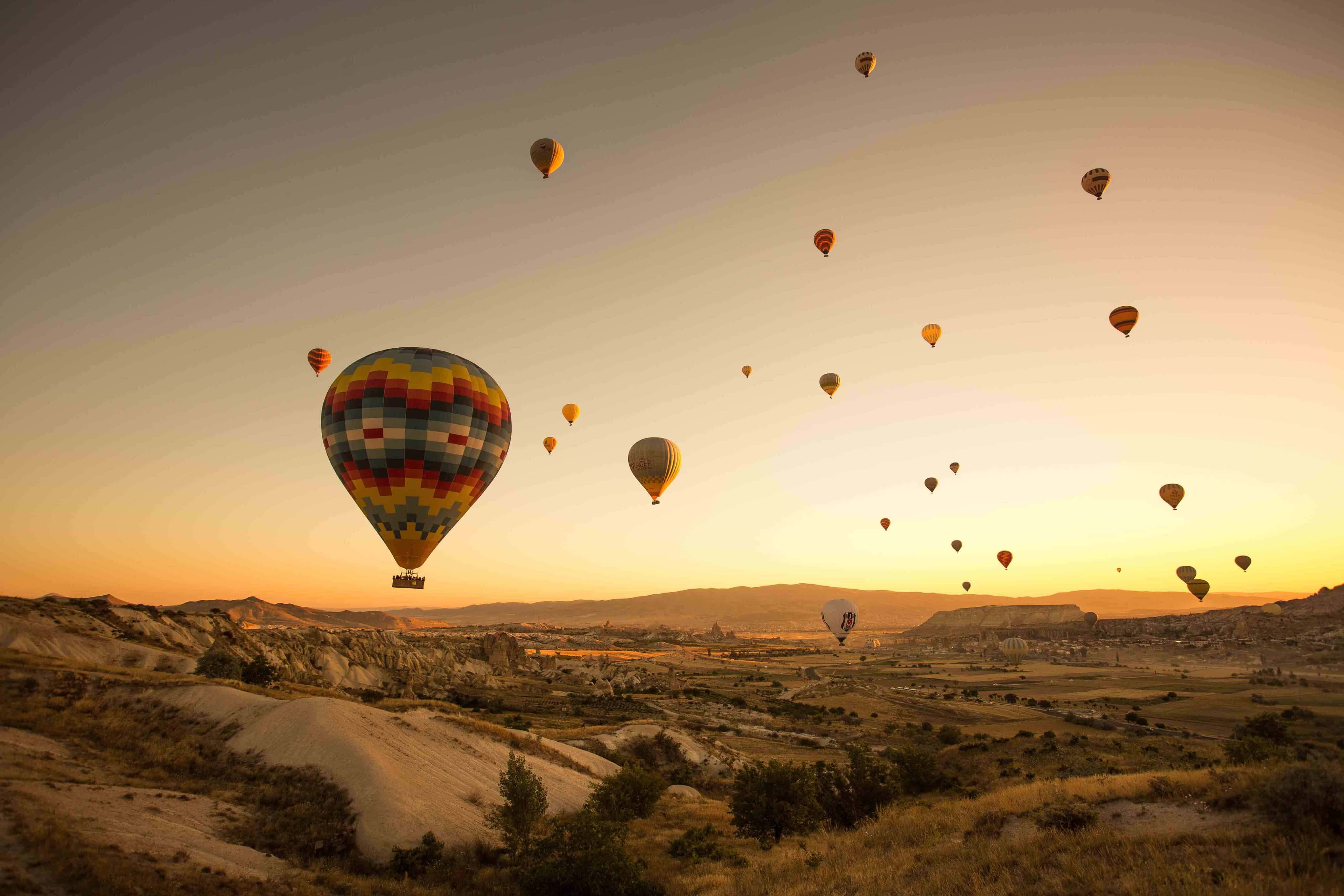
Cappadocia hot air balloons: a hot air balloon ride is a must on any Turkey itinerary — best done at sunrise. Hundreds of balloons lift off together against a sky washed in gold, a spectacular, dreamlike sight that many call a genuine once-in-a-lifetime experience.
Göreme Open Air Museum: a UNESCO World Heritage Site that looks, from a distance, like a giant honeycomb of caves. Beyond the museum itself, the site preserves numerous rock-cut churches and monasteries. Its defining feature is the well-preserved Byzantine frescoes inside, carrying a strong sense of religious and historical weight.
- (3) Denizli Province attractions
Pamukkale: a famous natural landmark in Turkey, known for its snow-white limestone terraces and mineral-rich hot springs. Over centuries, mineral-laden spring water has flowed over the limestone and gradually deposited layer upon layer, ultimately creating this striking natural landscape.
- (4) Karabük Province attractions
Safranbolu: known for its remarkably well-preserved Ottoman-era architecture, Safranbolu is a small town steeped in history. Winding streets lined with neat rows of red-roofed, whitewashed old houses give the whole town a distinct historical atmosphere. Beyond producing saffron, the town also sells a range of Ottoman-style handicrafts, making it a great stop for souvenir shopping.
4. What should you know before travelling to Turkey?
- (1) Entry restrictions
Carrying betel nut: Turkey bans the import of betel nut. If customs finds it in your luggage, you could face prosecution locally under drug importation law.
- (2) Religion and culture
Islam: the majority of Turkey's population follows Islam, with mostly halal food and generally modest, conservative dress. When visiting, be respectful of local religious customs and avoid making casual comments or jokes on the topic.
Dress code at mosques: visiting a mosque is a highlight of any trip to Turkey, but there is etiquette to follow — shoes off before entering, and modest, loose-fitting clothing covering the arms, knees and head. Stay quiet inside, and avoid photographing worshippers who are praying.
- (3) Everyday culture
Never insult the founder of the republic: Atatürk, the founding father of modern Turkey, is held in extremely high regard locally. Any perceived insult or disrespect could draw strong condemnation, or even lead to deportation.
Gestures to avoid: avoid making the "OK" hand gesture while in Turkey — it carries a negative meaning locally and is often seen as vulgar, provocative or insulting, so it is worth being particularly mindful of this.
5. In closing
If you are planning a trip to Turkey, use the attractions above to help plan your itinerary, and keep the tips in mind along the way. A stable connection also goes a long way toward a smooth, worry-free trip — consider the DJB eSIM Europe Amour, with genuinely unlimited, no-throttle data, always ready to connect without a hitch — a great companion for your Turkey trip.
Further reading: (A guide to choosing a Europe data SIM: comparing SIM cards, pocket Wi-Fi and roaming, plus a fast, affordable pick)
Comments are closed for this article.
Comments (0)